

Tennessee Real Estate Market Recap 2025
A Year of Stabilization and Strategic Growth
December 29th, 2025
A comprehensive look at how Tennessee's real estate market matured, refined, and positioned itself for sustained success.
As we close the books on 2025, Tennessee's real estate market tells a story distinctly different from the frenzied pandemic years that preceded it. This was a year defined by stability over speculation, strategy over speed, and value over velocity. Across Middle Tennessee and beyond, buyers and sellers approached transactions with intentionality, armed with better information and realistic expectations that created a healthier, more sustainable market.
The post-pandemic frenzy is officially behind us. What emerged in 2025 was a refined real estate landscape where educated consumers made decisions grounded in long-term vision rather than fear of missing out. From Williamson County's luxury corridors to rapidly emerging secondary markets like Murfreesboro and Gallatin, Tennessee real estate in 2025 demonstrated remarkable resilience while establishing new norms that will shape the market for years to come.
2025 Market at a Glance
vs. Volatile 2020-2022
Returning to Normal
Education Over Emotion
Sustained Growth
The Economic Foundation: Steady Growth Supporting Real Estate
Tennessee's economic performance throughout 2025 provided the stable foundation supporting residential real estate activity. The state's GDP growth stabilized after years of volatile expansion, employment strengthened across key sectors, and population growth remained robust-particularly in metropolitan areas attracting relocating professionals and expanding corporations.
Unlike the uncertainty that characterized 2023 and early 2024, Tennessee's 2025 economy delivered predictable, sustainable growth. Unemployment remained low, wage growth continued in professional sectors, and business investment in the state increased as companies recognized Tennessee's combination of business-friendly policies, strategic location, and quality workforce.
This economic stability translated directly into real estate confidence. Buyers who delayed purchases in 2023 and 2024 due to rate uncertainty and economic volatility re-entered the market in 2025 with conviction. Sellers who held properties off market waiting for "better conditions" recognized that 2025's stability represented ideal selling circumstances and listed accordingly.
Key Economic Indicators Supporting Real Estate
Population Growth: Tennessee continued attracting new residents from high-tax states, with the Nashville metro area adding thousands of households seeking better value, lower taxes, and improved quality of life.
Employment Strength: Major employers including Amazon, Oracle, and healthcare giants expanded Tennessee operations throughout 2025, creating well-paying jobs that supported housing demand across price points.
Wage Growth: Professional sector wages increased notably in 2025, particularly in technology, healthcare, and financial services-sectors heavily represented among homebuyers in the $400K-$800K price range.
Business Investment: Corporate relocations and expansions continued at a steady pace, with Tennessee's zero income tax and business-friendly policies making it a top-tier destination for companies seeking operational efficiency.
The result was a market operating on fundamentals rather than fear-a welcome change from the extreme conditions that defined 2020-2022.
Residential Real Estate: Refinement Over Retreat
The narrative that higher interest rates would "crash" real estate markets proved entirely false in Tennessee throughout 2025. Instead, the market refined itself. Properties priced correctly sold reliably. Buyers became more selective but remained active. Sellers adjusted expectations but still achieved strong returns on well-maintained, properly positioned homes.
The Sophisticated Buyer Emerges
2025 buyers were fundamentally different from their 2021 counterparts. Gone were the days of waiving inspections, offering tens of thousands over asking price sight unseen, or purchasing based purely on fear of being priced out forever. 2025's buyer was educated, strategic, and value-focused.
These buyers conducted extensive research before viewing properties. They understood neighborhood dynamics, evaluated school ratings, analyzed comparable sales data, and arrived at showings with specific questions about property condition, systems age, and renovation history. Multiple showings became standard again, as buyers took time to properly evaluate homes rather than making split-second decisions.
This shift benefited everyone. Buyers made better long-term decisions, reducing post-purchase regret. Sellers received offers from committed, qualified buyers rather than speculative bidders who might cancel during due diligence. Transactions became more predictable and less stressful for all parties.
The Evolution of the Tennessee Buyer
2021 Buyer Behavior
• Waived inspections routinely
• Offered 10-20% over asking
• Made split-second decisions
• Feared missing out forever
• Accepted properties "as-is"
2025 Buyer Behavior
✓ Thorough inspections standard
✓ Fair market value offers
✓ Multiple viewings expected
✓ Long-term vision prioritized
✓ Negotiated repairs confidently
Inventory Improvements Created Balance
One of 2025's most significant developments was gradual inventory improvement across Tennessee markets. While still below pre-pandemic levels, available homes for sale increased throughout the year as sellers who delayed listing during the 2023-2024 rate spike recognized that waiting for 6% mortgages might mean waiting years.
This inventory improvement didn't create buyer's market conditions but did end the extreme seller's market that characterized 2020-2022. Buyers gained negotiating power, particularly on properties priced aggressively or requiring updates. Well-maintained homes in desirable locations still generated multiple offers, but sellers couldn't command unrealistic premiums simply because inventory was scarce.
For the market's long-term health, this inventory normalization proved essential. Sustainable real estate markets require balance between supply and demand, not extreme conditions favoring one party overwhelmingly.
Pricing Realism Returned
Perhaps no shift was more significant in 2025 than the return to pricing realism. After years of homes selling for 10-20% over asking price regardless of condition, 2025 brought accountability to pricing strategies.
Overpriced homes sat on market. Properties requiring significant updates couldn't command premium pricing just because they existed. Sellers who tested the market with aspirational pricing found themselves making multiple reductions before achieving sales-and ultimately netting less than if they'd priced correctly initially.
Conversely, homes priced at fair market value based on recent comparable sales, current condition, and realistic buyer expectations sold quickly and reliably. This created a more efficient market where pricing strategy mattered tremendously and professional guidance from experienced agents proved invaluable.
Middle Tennessee: The Premier Destination
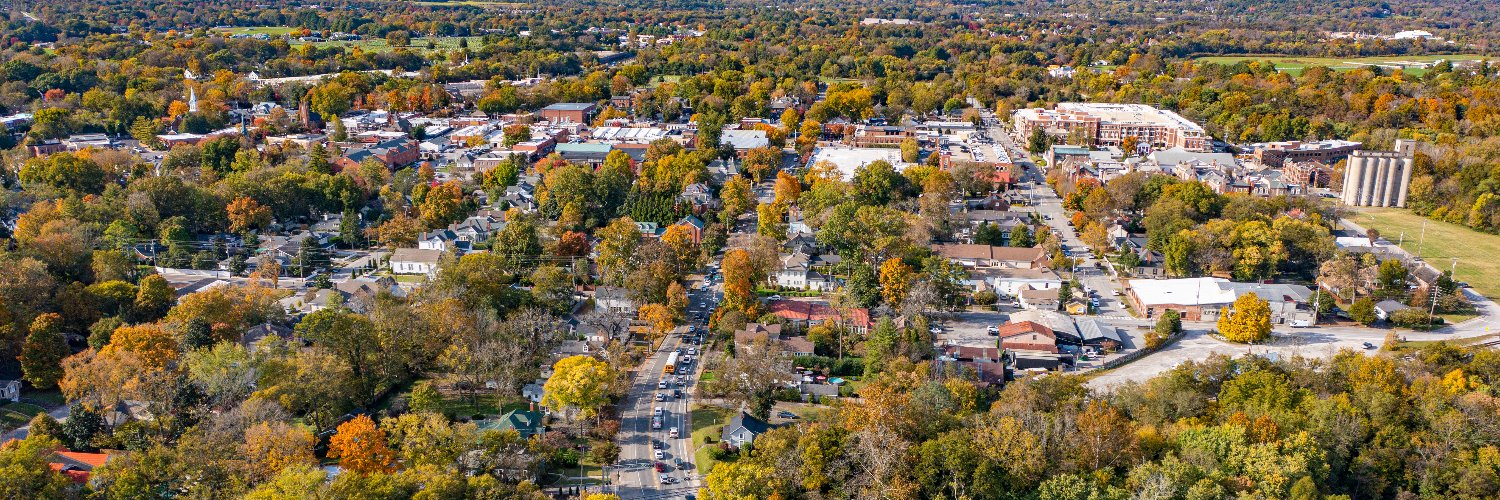
Middle Tennessee continued its reign as the state's premier real estate market throughout 2025, attracting luxury buyers, relocating professionals, and corporate expansions that fueled sustained demand across Davidson and Williamson counties.
Williamson County's Enduring Appeal
Williamson County remained Tennessee's luxury leader throughout 2025, with Brentwood, Franklin, and Nolensville maintaining strong price points and consistent sales activity. What changed was the buyer profile-fewer speculative investors, more long-term homeowners prioritizing school quality, community character, and lifestyle amenities.
Luxury homes in established Williamson County neighborhoods like Annandale, Laurelbrooke, and Westhaven continued commanding premium pricing, but even high-end properties required proper presentation and realistic pricing to sell quickly. The days of luxury homes selling within days of listing regardless of condition ended. 2025 luxury buyers conducted thorough due diligence and expected perfection for premium pricing.
New construction remained active in southern Williamson County communities like Thompson's Station and Spring Hill, where builders offered incentives including rate buydowns, closing cost assistance, and premium upgrade packages to compete for buyers. These incentives made new construction compelling alternatives to existing homes, particularly for buyers prioritizing modern design and energy efficiency.
COLDWELL BANKER GLOBAL LUXURY
Williamson County Luxury Market Insights
Luxury properties in Williamson County continued to perform exceptionally well in 2025, with homes priced above $1.5 million maintaining steady sales velocity when properly positioned. The luxury buyer profile evolved significantly:
Primary Residences
Families relocating from high-tax states prioritized quality schools, estate-sized lots, and privacy
Investment Properties
Strategic buyers viewed Tennessee real estate as wealth preservation with appreciation potential
Custom Builds
Increased demand for custom homes on premium lots with architectural distinction
Average luxury home sale price in Williamson County: $1.8M - $2.4M range
Davidson County's Urban Evolution
Nashville and Davidson County's urban core experienced continued evolution throughout 2025, with neighborhoods like The Gulch, Germantown, and East Nashville maintaining strong demand despite higher price points than surrounding areas.
Urban buyers in 2025 prioritized walkability, proximity to employment and entertainment, and the lifestyle benefits of city living. However, they also demanded more for their money than in previous years-expecting quality construction, thoughtful design, and building amenities justifying urban premium pricing.
Emerging Davidson County neighborhoods including Charlotte Park, Madison, and Inglewood attracted buyers seeking urban accessibility at lower price points than established areas. These neighborhoods' appreciation potential appealed to strategic buyers willing to accept slightly longer commutes or less developed commercial amenities in exchange for better value and upside potential.
The Rise of Secondary Markets
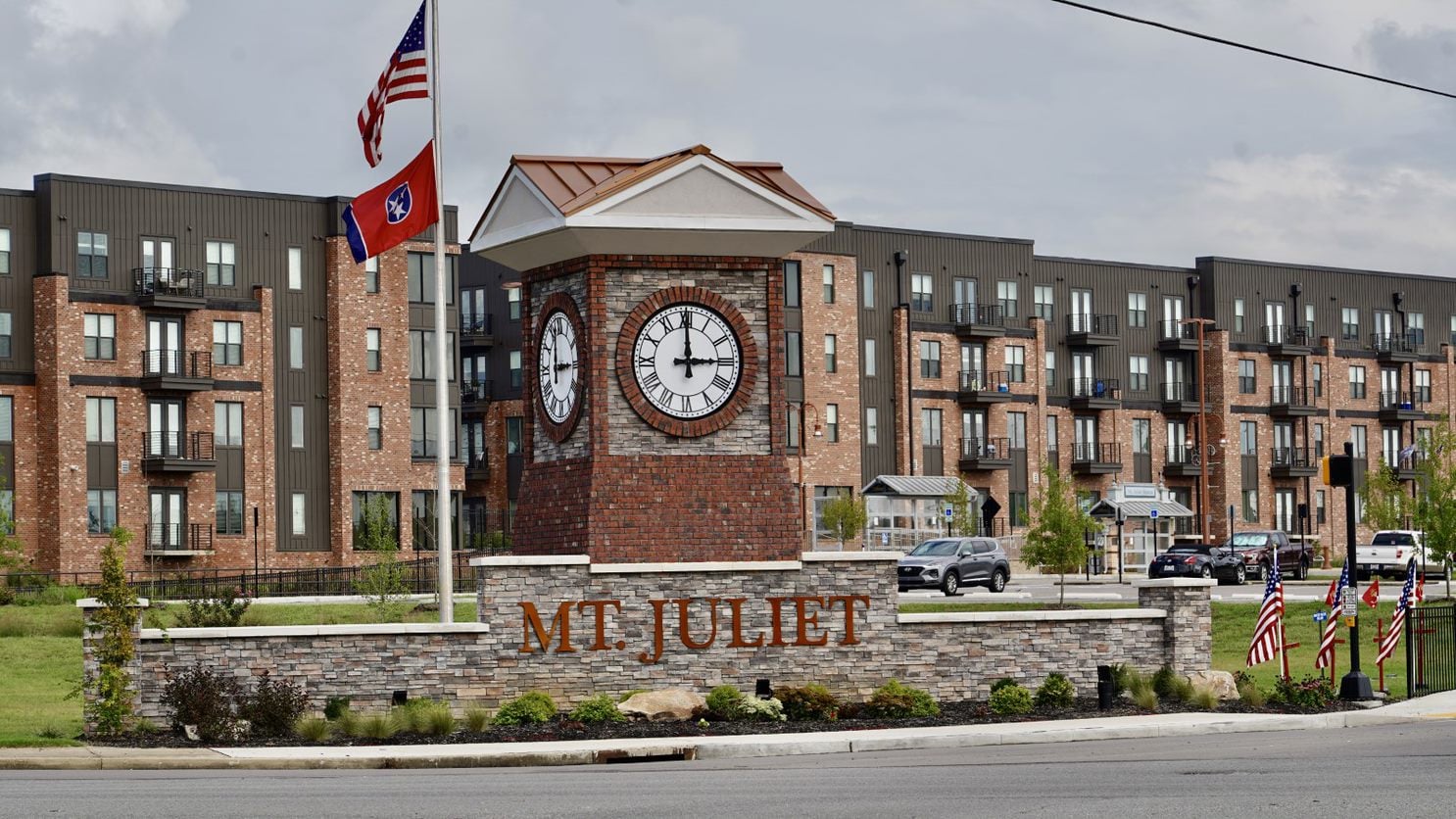
One of 2025's most significant trends was accelerating attention on Middle Tennessee's secondary markets-particularly Murfreesboro, Gallatin, Columbia, and Mt. Juliet. These communities offered compelling value propositions combining accessibility to Nashville, quality schools, and significantly lower price points than Williamson County or central Nashville.
Murfreesboro particularly benefited from this trend. Positioned along I-24 with improving commercial development and expanding employment opportunities, Murfreesboro attracted buyers priced out of Franklin or Brentwood but unwilling to sacrifice suburban amenities or school quality. New construction communities in Murfreesboro's growth corridors delivered modern homes at prices 30-40% below comparable Williamson County properties.
Gallatin's transformation from bedroom community to economic center continued throughout 2025, with significant industrial and commercial development creating local employment and reducing commute dependency. This economic strengthening supported residential appreciation and attracted buyers viewing Gallatin as an emerging opportunity rather than merely an affordable alternative.
Secondary Market Value Proposition
Murfreesboro
30-40%
Lower than comparable Williamson County homes
Gallatin
Growing
Industrial & commercial development driving appreciation
Columbia
Emerging
Value + quality schools + Nashville accessibility
Mt. Juliet
Strong
Suburban amenities at accessible price points
Commercial and Industrial Real Estate: The Quiet Powerhouse
While residential real estate captured headlines, Tennessee's commercial and industrial sectors delivered exceptional performance throughout 2025, driven by manufacturing expansion, logistics growth, and strategic connectivity advantages.
Industrial Real Estate Dominance
Tennessee's industrial real estate market remained exceptionally stable throughout 2025, with demand for warehouse, distribution, and manufacturing facilities continuing unabated. The state's strategic location, business-friendly environment, and transportation infrastructure made it a preferred destination for companies expanding logistics operations or reshoring manufacturing.
Middle Tennessee particularly benefited from industrial growth, with significant development along I-40, I-24, and I-65 corridors. Lebanon, Smyrna, and Spring Hill saw substantial industrial investment supporting employment growth that in turn drove residential demand.
Retail Strengthening
Retail real estate strengthened throughout 2025, particularly in rapidly growing corridors where population growth supported new commercial development. Unlike the retail challenges of the previous decade, 2025's retail expansion reflected legitimate demand from growing communities rather than speculative development.
Mixed-use developments combining retail, dining, and residential components gained traction across Middle Tennessee, with projects like Nolensville Town Square and Spring Hill's emerging commercial districts creating community hubs rather than isolated shopping centers. This integrated approach to development reflected evolving consumer preferences for walkable, amenity-rich environments.
Market Challenges: What 2025 Taught Us
Despite overall market health, 2025 wasn't without challenges that tested buyers, sellers, and real estate professionals alike.
The Affordability Question
Affordability remained 2025's most persistent challenge, particularly for first-time buyers facing the dual pressures of elevated home prices and mortgage rates in the 6-7% range. While markets functioned effectively at these conditions, entry-level buyers struggled to save sufficient down payments and qualify for mortgages on homes in desirable locations.
This affordability pressure drove several trends including increased interest in secondary markets, growing acceptance of longer commutes in exchange for lower prices, and renewed interest in townhomes and condominiums as alternatives to single-family homes.
Regional Disparities
While Middle Tennessee thrived throughout 2025, some Tennessee markets struggled with stagnant demand and limited appreciation. Rural markets particularly faced challenges as remote work's prevalence declined and buyers prioritized proximity to employment centers and urban amenities.
This divergence reinforced the importance of market-specific expertise and local knowledge. Strategies successful in Nashville or Franklin didn't necessarily translate to other Tennessee markets, requiring agents to understand nuanced local dynamics rather than applying broad generalizations.
Rising Service Expectations
2025 buyers and sellers demanded elevated service from real estate professionals. The days of agents simply unlocking doors and submitting offers ended. Clients expected comprehensive market analysis, strategic guidance, professional marketing, skilled negotiation, and proactive communication throughout transactions.
Looking Forward to 2026: Strategic Confidence
As we look toward 2026, several trends position Tennessee's real estate market for continued strength:
Sustained Relocation Demand
Tennessee's population growth shows no signs of slowing. The state's combination of zero income tax, business-friendly policies, quality of life, and relative affordability compared to coastal markets continues attracting relocating individuals, families, and businesses. This demographic momentum will support sustained housing demand throughout 2026.
Luxury Market Strength
Tennessee's luxury market enters 2026 with particular strength. High-net-worth buyers continue viewing Tennessee real estate as strategic investments combining lifestyle benefits with appreciation potential. The Coldwell Banker Global Luxury program positions CBSR to capture this ongoing demand with world-class marketing and service.
Infrastructure Investment Impact
Significant infrastructure investments across Middle Tennessee will increasingly impact real estate values throughout 2026. Major road projects, transit planning, and community development initiatives will create opportunities in currently emerging neighborhoods while supporting continued strength in established areas.
The Sustainability Imperative
Sustainability and energy efficiency will grow in importance throughout 2026 as buyers prioritize long-term operating costs and environmental consciousness. Homes featuring solar panels, energy-efficient systems, and sustainable materials will command premiums, while properties lacking these features may face valuation challenges.
The Expertise Premium
As real estate complexity increases, the value of expert guidance will only grow. Buyers and sellers working with experienced, knowledgeable professionals will achieve significantly better outcomes than those attempting to navigate markets independently. This expertise premium will benefit established firms like CBSR with proven track records and comprehensive resources.
CBSR's 2026 Market Predictions
These predictions represent our informed analysis based on current market conditions and trends. They are not guarantees, and actual market performance may vary.
Interest Rate Environment
While rates may fluctuate slightly, expect 2026 to maintain the 6-7% range. Buyers waiting for dramatic rate drops will continue missing opportunities while prices appreciate.
Inventory Dynamics
Inventory will continue normalizing gradually. Well-priced, well-maintained homes will sell quickly. Properties requiring updates or priced aggressively will sit longer as buyer selectivity remains high.
Price Appreciation
Expect moderate, sustainable appreciation of 3-5% annually across Middle Tennessee. Luxury markets and emerging secondary markets may outperform this baseline.
Buyer Competition
Desirable properties will continue generating multiple offers. The difference: offers will be reasonable, contingent, and from qualified buyers-not the frenzy of 2021.
Final Thoughts from Coldwell Banker Southern Realty
The 2025 Tennessee real estate market was refined, resilient, and full of opportunity for those who approached it strategically. The panic of previous years gave way to intentionality. The speculation gave way to sound fundamentals. And the result was a healthier, more sustainable market benefiting everyone involved.
As we enter 2026, Coldwell Banker Southern Realty remains committed to guiding clients with clarity, confidence, and the elevated service our reputation demands. Whether you're a first-time buyer navigating affordability challenges, a luxury seller positioning property for maximum value, or an investor evaluating emerging opportunities, our team brings the expertise, resources, and dedication ensuring your real estate goals become reality.
The market has matured. Have your expectations. Partner with professionals who understand not just where Tennessee real estate has been, but where it's going-and how to position you for success in the year ahead.
Ready to Navigate 2026 with Confidence?
Whether you're buying your first home, selling a luxury property, or investing in Tennessee's growth, Coldwell Banker Southern Realty brings the expertise, market knowledge, and dedicated service you need.
Brentwood, TN 37027
(615) 465-3700
Murfreesboro, TN 37129
(615) 893-1130
Nashville, TN 37203
(615) 298-9800
Nashville, TN 37211
(615) 333-7400
Mt. Juliet, TN 37122
(615) 758-0488
Shelbyville, TN 37160
(931) 684-5606
Lawrenceburg, TN 38464
(931) 762-3399
Gallatin, TN 37066
(615) 452-0040
Jackson, TN 38305
(731) 668-1777
Disclaimer: The information provided in this blog post is for general informational purposes only and should not be construed as professional real estate, legal, financial, or tax advice. Market conditions, statistics, and trends discussed are based on data available at the time of publication and are subject to change. Home prices, interest rates, inventory levels, and market conditions vary by location and can fluctuate.
Coldwell Banker Southern Realty and its agents make no representations or warranties about the accuracy, completeness, or suitability of this information. Readers should not rely solely on this content when making real estate decisions. We strongly recommend consulting with qualified professionals, including real estate agents, attorneys, financial advisors, and tax professionals, before making any real estate transaction or investment decision.
©2025 Coldwell Banker Southern Realty. All rights reserved. Coldwell Banker and the Coldwell Banker logos are trademarks of Coldwell Banker Real Estate LLC. Coldwell Banker Southern Realty fully supports the principles of the Fair Housing Act and the Equal Opportunity Act.
Share This Post
Coldwell Banker Southern Realty Locations


All Rights Reserved. Coldwell Banker and the Coldwell Banker logos are trademarks of Coldwell Banker Real Estate LLC. The Coldwell Banker® System is comprised of company owned offices which are owned by a subsidiary of Anywhere Advisors LLC and franchised offices which are independently owned and operated. The Coldwell Banker System fully supports the principles of the Fair Housing Act and the Equal Opportunity Act.
Terms Of Use | Privacy Policy | Accessibility Statement | Fair Housing Notice
© 2026 Coldwell Banker SOUTHERN REALTY
