

East Nashville's Evolution
From Emerging to Established in 2026
March 16th, 2026
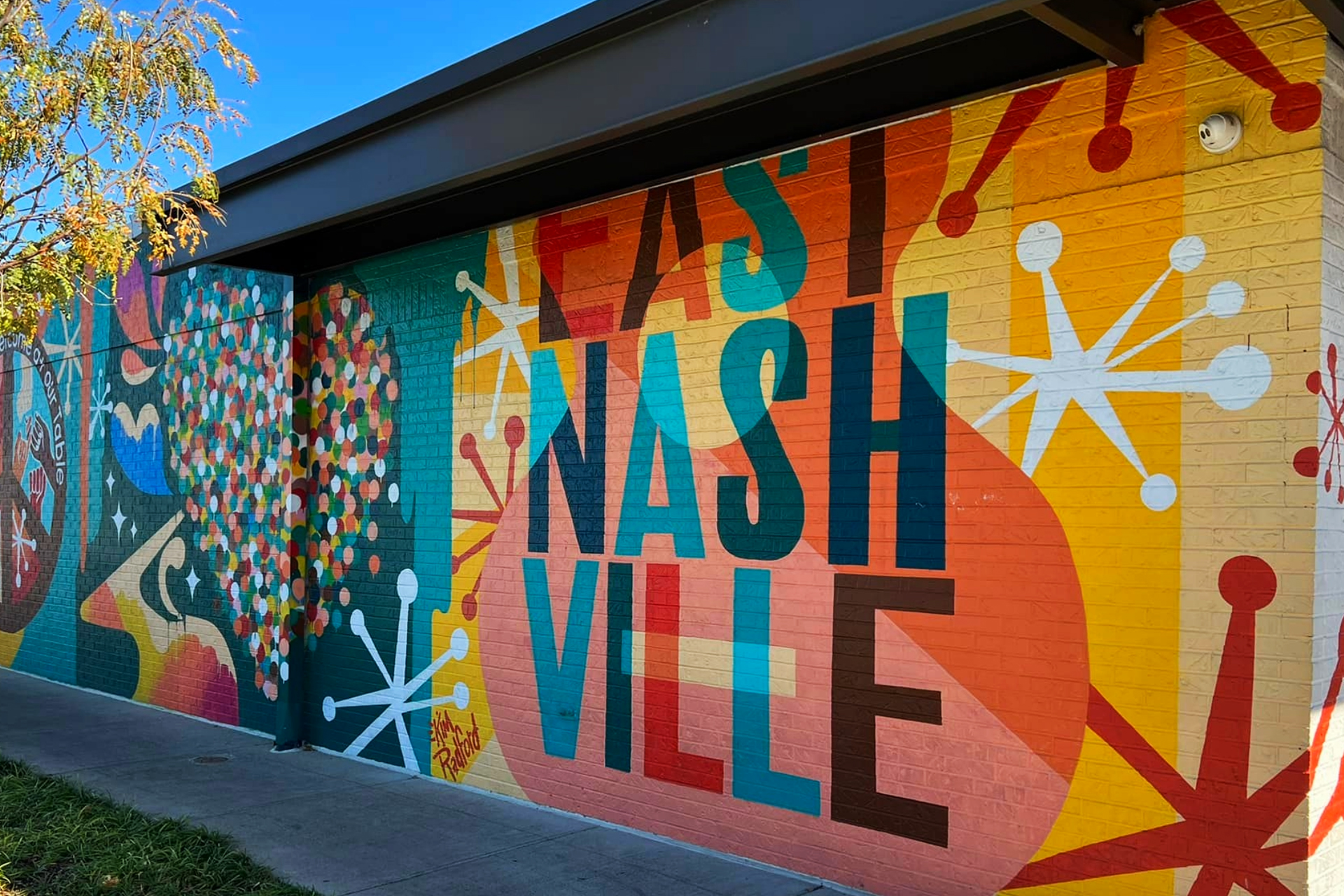
How Nashville's most dynamic urban neighborhood transformed from overlooked to essential, and what its maturation means for buyers in 2026.
East Nashville's transformation over the past two decades represents one of Middle Tennessee's most remarkable real estate stories. What began as an artist enclave with affordable housing and quirky character has evolved into one of Nashville's most desirable urban neighborhoods, where historic homes meet modern restaurants, walkable streets foster community, and cultural vitality creates lifestyle that can't be replicated in suburban developments.
By 2026, East Nashville has completed its journey from emerging to established. Home prices that seemed shocking five years ago now represent the new normal. Restaurants that were daring experiments are now Nashville institutions. What was once alternative has become aspirational, attracting professionals, families, and investors who recognize that East Nashville's combination of location, lifestyle, and authenticity offers something unique in Nashville's real estate landscape.
At Coldwell Banker Southern Realty, we've watched East Nashville mature from undervalued opportunity to premium urban market. Our agents who specialize in Davidson County's urban neighborhoods understand what drives East Nashville's appeal, which pockets offer different lifestyle experiences, and how to evaluate properties in markets where character and location command premium pricing.
This comprehensive guide explores East Nashville's evolution, current market dynamics, neighborhood-by-neighborhood analysis, lifestyle advantages, investment considerations, and who thrives in this distinctly Nashville environment where urban convenience meets community authenticity.
East Nashville Market Snapshot 2026
Established Neighborhoods
Via Multiple Routes
High Walk Scores
Cultural Attractions
Historical Overview: East Nashville's Journey
Understanding East Nashville's present requires appreciating its past. The area's evolution from working-class neighborhood to urban destination happened gradually, driven by artists, entrepreneurs, and residents who saw potential where others saw only risk.
The Early Years: Working-Class Heritage
East Nashville developed in the late 1800s and early 1900s as a streetcar suburb housing Nashville's working and middle classes. Beautiful Victorian, Craftsman, and early 20th-century homes filled tree-lined streets, creating neighborhoods with architectural character that remains East Nashville's defining physical feature today.
Mid-century urban decline affected East Nashville as it did many American urban neighborhoods. White flight, highway construction, and economic shifts left the area undervalued and overlooked by the 1970s and 1980s. Historic homes that would command premium prices in other cities sold for modest sums, attracting artists and creative professionals seeking affordable housing with character.
The Turning Point: 1998 Tornado and Rebuilding
The April 1998 tornado that devastated parts of East Nashville paradoxically accelerated the area's transformation. Rebuilding efforts brought investment, attention, and community cohesion. Residents who chose to rebuild rather than abandon demonstrated commitment that attracted others seeking authentic urban community.
The post-tornado years saw gradual appreciation as musicians, artists, restaurant entrepreneurs, and young professionals discovered East Nashville's combination of affordability, character, and proximity to downtown. Each new business opening, home renovation, and resident arrival reinforced momentum that has continued for over 25 years.
2010s Acceleration: From Alternative to Aspirational
The 2010s brought explosive growth as Nashville's overall boom concentrated particularly intensely in East Nashville. Restaurants that became Nashville institutions opened along Woodland, Main, and Gallatin. Coffee shops, boutiques, and bars created destinations drawing visitors from across the city.
Home prices began rising dramatically as demand outpaced available inventory. Homes purchased for $150,000 in 2010 sold for $400,000+ by 2016. New construction and renovated homes commanded prices previously unthinkable for East Nashville, signaling its transformation from emerging to established market.
2020s Maturation: Established Urban Neighborhood
By 2026, East Nashville has fully matured into an established premium urban neighborhood. Prices have stabilized at elevated levels reflecting the area's desirability rather than continuing the explosive appreciation of previous decades. The question is no longer "Will East Nashville appreciate?" but rather "Can I afford East Nashville, and does its lifestyle match my priorities?"
Current Market Statistics and Price Trends
East Nashville's 2026 market reflects its established status with pricing that recognizes location, lifestyle, and limited inventory as premium-worthy characteristics.
Price Ranges by Property Type
Historic Renovated Homes: Well-executed renovations of historic Craftsman, Victorian, and early 20th-century homes in prime pockets like Lockeland Springs, Five Points, and Inglewood command $500,000-$800,000+ depending on size, finishes, and exact location. These represent East Nashville's premium product where architectural character meets modern amenities.
New Construction Infill: Modern homes built on previously vacant or demolished-home lots range $450,000-$650,000 for 1,800-2,500 square feet. These appeal to buyers wanting East Nashville location without historic home maintenance considerations.
Fixer-Upper Opportunities: Unrenovated historic homes needing substantial work occasionally surface at $300,000-$400,000, though these opportunities become increasingly rare as inventory tightens. Budget $100,000-$200,000+ for renovations depending on condition and desired finishes.
Condos and Townhomes: Limited condo development exists compared to single-family homes. Available units range $350,000-$550,000 providing East Nashville access at lower price points than detached homes.
10-Year Appreciation Overview
2016 Median Price: Approximately $275,000 for renovated homes in desirable pockets
2026 Median Price: Approximately $525,000 for comparable properties
Cumulative Appreciation: Roughly 90% over 10 years, or approximately 6.5% annually compounded
Note: Individual properties vary dramatically based on renovations, location microclimates, and lot characteristics. These figures represent general trends rather than specific guarantees.
Neighborhood Breakdowns: Understanding East Nashville's Pockets
East Nashville encompasses multiple distinct neighborhoods, each offering different character, pricing, and lifestyle experiences. Understanding these variations helps buyers identify areas matching their priorities.
Five Points: The Heart of East Nashville
Five Points represents East Nashville's commercial and cultural epicenter where Woodland, Clearview, 11th, and Margin streets converge. The neighborhood radiating from this intersection captures everything that makes East Nashville distinctive: walkable streets lined with restaurants and shops, beautifully restored historic homes, and community energy that attracts residents who want urban vibrancy.
Housing Character: Predominantly historic homes including Craftsman bungalows, Victorian cottages, and early 20th-century residences on tree-lined streets. Lot sizes typically run 0.1-0.2 acres, creating urban density while maintaining single-family character.
Price Range: Renovated homes $550,000-$750,000+, with premium examples exceeding $800,000. Unrenovated opportunities rare and highly competitive when available.
Lifestyle Appeal: Walk to dozens of restaurants, coffee shops, bars, and boutiques within 5-10 minutes. Community events, farmers markets, and street festivals create neighborhood cohesion. This is East Nashville at its most walkable and socially connected.
Who Thrives Here: Urban enthusiasts who prioritize walkability and community over yard size or parking convenience. Young professionals, creative types, and empty nesters who want neighborhood life integrated with daily routines.
Lockeland Springs: Family-Friendly East Nashville
Lockeland Springs, centered around Greenwood Avenue and Lockeland Springs Park, offers slightly more residential tranquility than Five Points while maintaining East Nashville's essential character. The neighborhood attracts families seeking walkability and community within environments offering more space and quiet than commercial corridors.
Housing Character: Mix of historic homes and newer construction on streets radiating from Lockeland Springs Park. Properties tend slightly larger than Five Points with more renovation potential remaining in pockets.
Price Range: $475,000-$650,000 for renovated homes, with premium properties reaching $700,000+. Represents moderate discount to Five Points while maintaining core East Nashville advantages.
Lifestyle Appeal: Lockeland Springs Park provides playground, walking paths, and community gathering space. Gallatin Pike restaurant corridor accessible within 5-10 minute walk. Residential streets offer more parking and yard space than denser Five Points.
Who Thrives Here: Families with children seeking urban lifestyle with parks and community while maintaining some residential tranquility. Professionals wanting East Nashville culture without constant commercial activity outside their windows.
Inglewood: The Evolving Edge
Inglewood, east of Gallatin Pike toward Briley Parkway, represents East Nashville's growth frontier where appreciation potential meets current affordability relative to Five Points and Lockeland Springs. The neighborhood has experienced substantial development and investment while maintaining more accessible pricing.
Housing Character: Greater diversity in housing stock from historic homes to ranch-style residences to new construction. Lot sizes often larger than core East Nashville neighborhoods, providing more yard space and parking.
Price Range: $375,000-$550,000 for most properties, with premium renovations reaching $600,000+. Represents East Nashville's most accessible entry point for buyers priced out of Five Points or Lockeland Springs.
Lifestyle Appeal: Gallatin Pike commercial corridor provides restaurants, shops, and services. Riverside Village development brought additional retail and dining. More suburban feel than core East Nashville while maintaining urban advantages.
Who Thrives Here: Value-conscious buyers wanting East Nashville lifestyle at moderate discounts to premium pockets. Investors identifying appreciation potential as Inglewood continues maturing. Families prioritizing larger lots and yards over maximum walkability.
East End: Quiet Residential Character
East End neighborhoods north of Eastland Avenue offer residential tranquility while maintaining East Nashville geography and commute advantages. These pockets appeal to buyers wanting East Nashville's general location and community without constant urban activity.
Housing Character: Mix of modest historic homes and mid-century residences on quiet residential streets. Properties often need renovation but provide accessible entry points with improvement potential.
Price Range: $350,000-$500,000 depending on condition and exact location. Fixer-uppers occasionally available under $400,000 providing DIY renovation opportunities.
Who Thrives Here: Buyers prioritizing affordability and renovation potential over walkable amenities. Those wanting East Nashville community and commute advantages without premium pricing or constant activity.
East Nashville Neighborhoods Comparison
Five Points
Price: $550K-$750K+
Maximum walkability, premium pricing, commercial vibrancy
Lockeland Springs
Price: $475K-$650K
Family-friendly, park access, residential tranquility
Inglewood
Price: $375K-$550K
Accessible pricing, larger lots, appreciation potential
East End
Price: $350K-$500K
Quiet residential, renovation opportunities, value entry
Walkability and Urban Lifestyle Advantages
East Nashville's walkability represents its fundamental appeal to urban-oriented buyers who prioritize reducing car dependence and integrating daily activities within their neighborhoods.
Walk Score Performance
Five Points and surrounding core East Nashville areas achieve Walk Scores in the 70-85 range (Very Walkable to Walker's Paradise), among Nashville's highest. Residents accomplish most errands on foot including grocery shopping, dining, coffee runs, and social activities without requiring cars.
This walkability creates lifestyle experiences suburban developments cannot replicate. Morning coffee walks, evening restaurant strolls, and weekend explorations of shops and events become routine rather than special occasions requiring planning and driving.
Bike-Friendly Infrastructure
East Nashville's urban density and relatively flat terrain support cycling as viable transportation. Bike lanes on major corridors, greenway access, and neighborhood streets with manageable traffic encourage bicycle commuting and recreation. The Shelby Bottoms Greenway provides car-free cycling and walking routes connecting to broader Nashville greenway networks.
Restaurant and Entertainment Scene
East Nashville's restaurant and entertainment density rivals any Nashville neighborhood, creating lifestyle where dining, drinking, and entertainment exist as neighborhood amenities rather than destinations requiring drives across the city.
Dining Diversity and Quality
Woodland Street, Gallatin Pike, and Main Street corridors host dozens of restaurants spanning casual to upscale, representing cuisines from traditional Southern to Thai, Mexican, Italian, Vietnamese, and creative contemporary American. This density means residents rarely exhaust neighborhood dining options, discovering new favorites regularly.
Coffee culture thrives with multiple independent shops providing morning gathering spaces and remote work venues. Breakfast and brunch spots create weekend routines where neighbors encounter each other regularly, building community through casual repeated interactions.
Bar and Nightlife Options
Neighborhood bars, music venues, and breweries provide evening entertainment within walking distance. This concentration supports spontaneous socializing impossible in suburban environments where designated drivers or rideshares are required for any alcohol consumption. The ability to walk home from bars creates safety and freedom suburban drinking culture lacks.
New Developments and Infill Construction
East Nashville's maturation includes ongoing infill development as builders capitalize on demand for new homes in established neighborhoods with limited available land.
Modern Homes in Historic Neighborhoods
New construction on previously vacant lots or demolished-home sites provides modern floor plans, energy efficiency, and low maintenance within East Nashville's established fabric. These homes appeal to buyers wanting location and lifestyle without historic home quirks, maintenance, or renovation projects.
Contemporary designs increasingly appear alongside historic homes, creating architectural diversity. While some long-time residents lament loss of historic character, new construction provides housing stock accommodating modern living preferences including open floor plans, primary suites, and attached garages.
Balancing Growth and Character
East Nashville faces ongoing tension between accommodating growth and preserving neighborhood character. Zoning discussions, historic preservation debates, and development review processes reflect community efforts to manage change thoughtfully. Buyers should understand that East Nashville continues evolving rather than existing as static historic district.
Artist Community and Cultural Attractions
East Nashville's creative community remains central to neighborhood identity despite rising costs that make artist affordability challenging.
Music Scene Integration
Numerous working musicians call East Nashville home, creating organic music culture through house shows, venue performances, and spontaneous collaborations. While not Broadway's tourist-oriented scene, East Nashville music culture reflects authentic Nashville creativity that drew artists to the city originally.
Visual Arts and Creative Businesses
Art galleries, studios, and creative businesses contribute to East Nashville's character. First Saturday Art Crawl and similar events maintain community arts engagement despite gentrification pressures. This creative presence attracts residents who value living among working artists and creative professionals.
School Options for Families
Families considering East Nashville should understand school options as public education represents one area where East Nashville differs from highly-ranked suburban districts.
Metro Nashville Public Schools
East Nashville falls within Metro Nashville Public Schools, which overall performs below suburban districts like Williamson or Wilson counties. However, specific schools including Lockeland Elementary and others serve engaged communities with involved parents. School quality varies significantly by specific school rather than representing uniformly strong or weak options.
Many East Nashville families actively engage in their zoned schools, creating strong communities within individual schools despite district-wide challenges. The trade-off for urban lifestyle often includes accepting less prestigious public schools than suburban alternatives offer.
Private and Magnet Alternatives
Multiple private schools serve East Nashville families including religious and secular options. Magnet programs within Metro Nashville Public Schools provide academically rigorous alternatives through application processes. These options require tuition investment or application effort but provide families paths to strong education while maintaining urban lifestyle.
Commute Convenience to Downtown
East Nashville's proximity to downtown Nashville represents fundamental location advantage driving much of its appeal and pricing.
Multiple Route Options
Woodland, Main, and Gallatin provide multiple downtown routes reducing traffic vulnerability. If one route experiences congestion, alternatives exist. This redundancy creates reliable 10-15 minute commutes under normal conditions.
Bike commuting to downtown becomes viable from East Nashville given distances of 2-4 miles depending on specific location. Greenway access and bike lanes support cycling commuters avoiding traffic entirely.
Price Comparison: East Nashville vs. Other Urban Nashville Neighborhoods
Understanding East Nashville pricing relative to other Nashville urban options helps buyers evaluate whether its specific character justifies premiums or offers value compared to alternatives.
Urban Nashville Price Comparison
East Nashville (Five Points/Lockeland): $500K-$700K median for renovated historic homes
12 South: $650K-$900K+ for comparable properties (premium for ultimate Nashville urban experience)
Germantown: $600K-$850K for similar homes (downtown proximity premium)
The Nations: $450K-$650K (emerging neighborhood, less established than East Nashville)
Sylvan Park: $550K-$750K (established character competitive with East Nashville)
Investment Potential and Appreciation Outlook
Understanding East Nashville's investment profile requires recognizing it has transitioned from high-growth emerging neighborhood to stable established market with moderate appreciation expectations.
Appreciation Expectations
The 6-8% annual appreciation of East Nashville's growth years (2010-2020) likely moderates to 3-5% annually moving forward, tracking Nashville's overall appreciation rather than exceeding it dramatically. This represents healthy stable growth rather than explosive gains.
Buyers should purchase East Nashville for lifestyle it provides rather than expecting appreciation to dramatically exceed other quality Nashville neighborhoods. The neighborhood has largely completed its transformation from undervalued to fairly priced relative to amenities offered.
Rental Investment Considerations
East Nashville rental demand remains strong given walkability, entertainment options, and downtown proximity appealing to young professionals and creative types. Rental rates support reasonable returns, though premium purchase prices reduce cash-on-cash yields compared to emerging neighborhoods. Long-term appreciation and stable rental demand create viable buy-and-hold investment strategies.
Character and Architecture: What Makes Homes Special
East Nashville's architectural heritage distinguishes it from neighborhoods dominated by contemporary construction or lacking cohesive historic character.
Predominant Architectural Styles
Craftsman Bungalows: Low-pitched roofs, wide eaves, front porches with tapered columns, exposed rafters, and built-in cabinetry characterize these early 20th-century homes. Craftsman design's emphasis on natural materials and handcrafted details appeals to buyers valuing authenticity.
Victorian Cottages: Ornate details, bay windows, decorative trim, and vertical emphasis define Victorian homes scattered throughout East Nashville. These smaller homes often feature surprisingly generous room proportions within compact footprints.
Shotgun Houses: Narrow single-story homes with rooms arranged front-to-back reflect working-class heritage. Many shotguns have been expanded with additions or combined with adjacent lots creating unique configurations.
Who East Nashville Appeals to in 2026
East Nashville attracts specific buyer profiles who prioritize urban lifestyle, community character, and walkability over other residential characteristics.
Urban Enthusiasts: Buyers who genuinely prefer walkable urban environments to suburban living. For these buyers, walking to coffee shops and restaurants represents lifestyle enhancement rather than compromise.
Creative Professionals: Writers, musicians, designers, and artists drawn to neighborhood's creative energy and community of like-minded residents.
Young Professionals and DINKS: Dual-income-no-kids households who value entertainment access, dining options, and adult-oriented lifestyle over family-focused suburban amenities.
Urban Families: Parents who accept school trade-offs in exchange for walkable neighborhoods, diverse community, and urban experiences for children.
Empty Nesters: Retirees or near-retirees downsizing from suburban homes who want walkability, cultural activities, and maintenance simplicity urban living provides.
Explore East Nashville with CBSR
Our Nashville office specialists understand East Nashville's distinct neighborhoods, pricing dynamics, and lifestyle considerations. Let us guide your search for urban Nashville's most authentic community.
Nashville, TN 37203
(615) 298-9800
East Nashville's evolution from emerging to established creates opportunity for those who value authentic urban character. Let's find your place in this dynamic neighborhood.
Disclaimer: The information provided in this blog post is for general informational purposes only and should not be construed as professional real estate, legal, financial, or tax advice. Market conditions, statistics, and trends discussed are based on data available at the time of publication and are subject to change. Home prices, interest rates, inventory levels, and market conditions vary by location and can fluctuate.
Coldwell Banker Southern Realty and its agents make no representations or warranties about the accuracy, completeness, or suitability of this information. Readers should not rely solely on this content when making real estate decisions. We strongly recommend consulting with qualified professionals, including real estate agents, attorneys, financial advisors, and tax professionals, before making any real estate transaction or investment decision.
©2025 Coldwell Banker Southern Realty. All rights reserved. Coldwell Banker and the Coldwell Banker logos are trademarks of Coldwell Banker Real Estate LLC. Coldwell Banker Southern Realty fully supports the principles of the Fair Housing Act and the Equal Opportunity Act.
Share This Post
Coldwell Banker Southern Realty Locations


All Rights Reserved. Coldwell Banker and the Coldwell Banker logos are trademarks of Coldwell Banker Real Estate LLC. The Coldwell Banker® System is comprised of company owned offices which are owned by a subsidiary of Anywhere Advisors LLC and franchised offices which are independently owned and operated. The Coldwell Banker System fully supports the principles of the Fair Housing Act and the Equal Opportunity Act.
Terms Of Use | Privacy Policy | Accessibility Statement | Fair Housing Notice
© 2026 Coldwell Banker SOUTHERN REALTY
