

2026 Home Design Trends
Colors, Layouts, and Features Buyers Are Demanding
May 11th, 2026
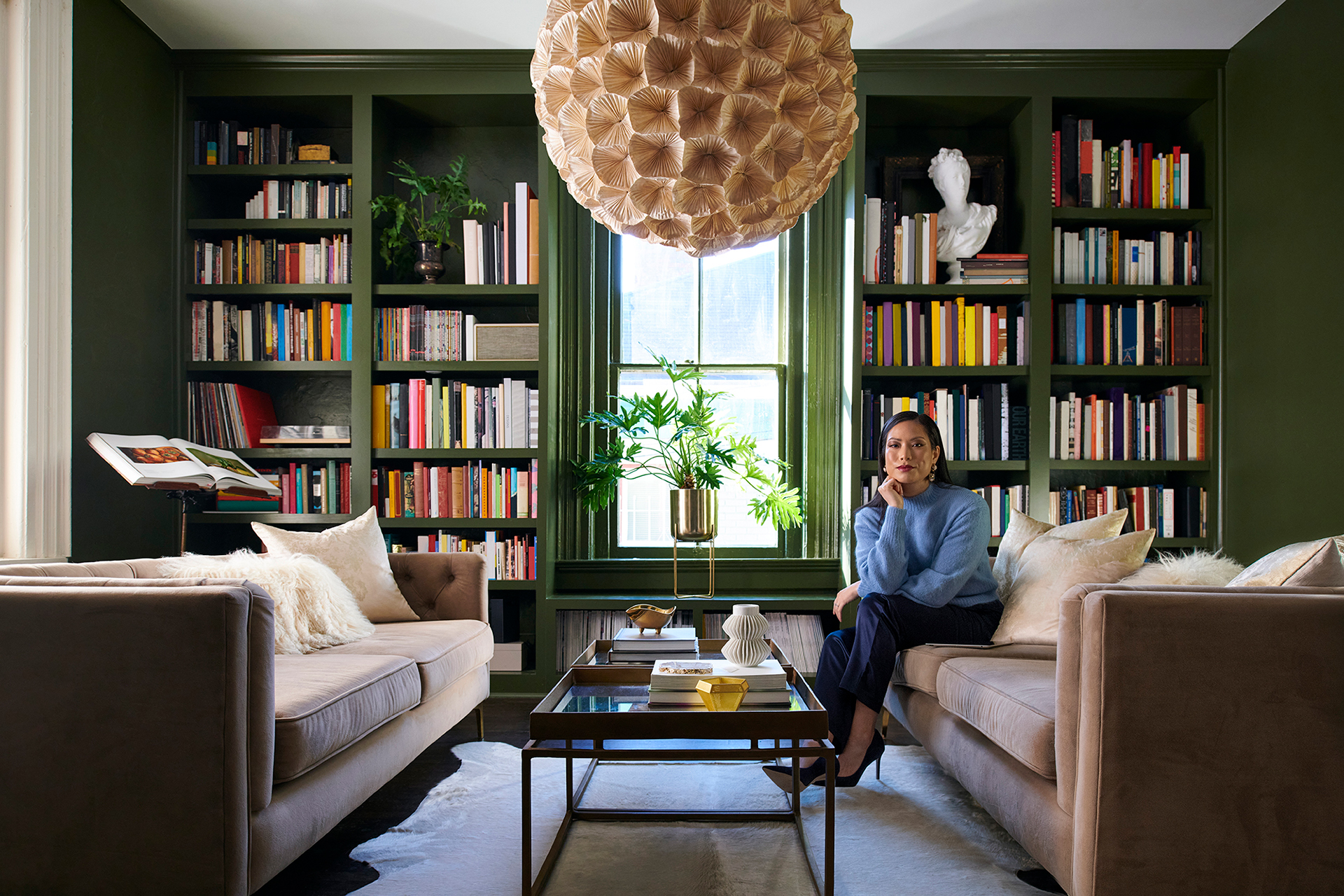
Strategic design insights helping sellers maximize appeal and value while guiding buyers toward homes with features delivering long-term satisfaction and resale strength.
Home design trends powerfully influence buyer decisions, resale values, and daily living satisfaction. Understanding what today's buyers actively seek versus dated features they avoid empowers sellers to invest strategically in updates delivering strong returns while helping buyers identify homes offering both current appeal and enduring value.
Design preferences evolve continuously, driven by lifestyle changes, technology advances, sustainability awareness, and cultural shifts. The open-concept dominance of the 2010s has matured into more nuanced approaches balancing openness with defined spaces. Color palettes have shifted from stark gray minimalism toward warmer, more grounded tones. Technology integration moved from novelty to expectation. These shifts create opportunities for strategic sellers and educated buyers alike.
At Coldwell Banker Southern Realty, our agents observe design trends through thousands of showings annually across Middle and West Tennessee. We see which features generate buyer excitement, which updates deliver strongest returns, and which dated elements trigger price reductions or stalled sales. This market intelligence guides our clients toward design decisions aligned with both personal preferences and market realities.
This comprehensive guide explores 2026's most significant design trends across colors, layouts, kitchens, bathrooms, outdoor spaces, technology, sustainability, and storage, while identifying dated features hurting resale value and analyzing which updates justify their investment through strong returns.
2026 Design Trends at a Glance
Greige, Beige, Earth Palettes
Multi-Purpose Rooms
Tennessee Climate Advantage
Integration Standard
Color Trends for 2026: Interiors and Exteriors
Color preferences signal broader design philosophy shifts, with 2026 trending decisively toward warmth, nature-inspired tones, and grounded palettes replacing the cool grays dominating the 2010s.
Interior Color Palettes
Warm Neutrals Dominate: Greige (gray-beige hybrids), warm beiges, soft taupes, and creamy whites replace cool grays as preferred neutrals. These tones create welcoming, cozy atmospheres while maintaining the versatility buyers seek. Popular shades include Sherwin-Williams Accessible Beige, Benjamin Moore Revere Pewter, and Behr Swiss Coffee.
Earth Tones Return: Terracotta, sage green, warm ochre, and clay-inspired colors appear in accent walls, kitchens, and bathrooms. These nature-derived tones reflect growing sustainability consciousness and biophilic design principles connecting interiors to natural environments.
Strategic Bold Accents: Rather than entire rooms in saturated colors, buyers prefer neutral bases with bold accents in powder rooms, laundry rooms, or feature walls. Deep navy, forest green, or rich burgundy create impact without overwhelming spaces or limiting future decorating flexibility.
White Still Works: Crisp whites remain viable, particularly in modern or coastal-inspired homes. However, warm whites (cream, ivory, off-white) significantly outperform stark, cool whites in buyer appeal and perceived coziness.
Exterior Color Trends
Sophisticated Neutrals: Gray exteriors remain popular but shifting toward warmer grays and greiges. Black or dark charcoal exteriors with white trim create striking modern farmhouse aesthetic popular across Tennessee markets.
Natural Materials Celebrated: Exposing natural brick, stone, or wood rather than painting creates authentic character buyers value. When painting brick, soft whites or warm creams outperform stark white for maintaining architectural integrity.
Front Door Impact: Bold front door colors (navy, forest green, black, deep red) create welcoming entries and strong curb appeal without committing entire exteriors to non-neutral palettes.
Layout Preferences: Open Concept Evolution and Flexible Spaces
Layout preferences have matured beyond the fully-open great room concept toward more nuanced approaches balancing openness with defined, flexible spaces.
Broken-Plan Living
Rather than completely open or fully closed rooms, "broken-plan" designs create visual connections while maintaining functional separation. Kitchen islands provide partial division from living areas. Half walls, columns, or ceiling height changes define zones without solid barriers. This approach offers open-concept spaciousness while reducing cooking noise/smell infiltration and creating distinct gathering areas.
Dedicated Home Offices
Remote work normalization makes dedicated office space essential rather than nice-to-have. Buyers seek rooms with doors (not open loft spaces) providing privacy for video calls and concentration. Built-in desks, adequate electrical outlets, and good natural light increase appeal. Converting formal dining rooms to offices reflects changing priorities.
Multi-Purpose Spaces
Flexible rooms serving multiple functions appeal to buyers wanting adaptability. Guest bedrooms doubling as offices, bonus rooms functioning as gyms or playrooms, and finished basements accommodating various activities demonstrate versatility buyers value. Built-in murphy beds, fold-down desks, and modular storage support multi-purpose functionality.
Mudrooms and Drop Zones
Dedicated entry spaces with built-in storage for coats, shoes, bags, and daily items prevent clutter from infiltrating main living areas. Mudrooms with benches, cubbies, and hooks rank among most-requested features, particularly for families. Even small drop zones near garage entries significantly improve organization and appeal.
Layout Features Buyers Seek in 2026
✓ Kitchen-living connection with some separation (island, partial walls)
✓ Dedicated home office with door and natural light
✓ Primary suite on main level (single-story living option)
✓ Mudroom or organized entry with storage
✓ Flexible bonus/multi-purpose rooms
✓ Separated private spaces (bedrooms away from entertaining areas)
Kitchen Design Trends: The Heart of the Home
Kitchens remain the highest-impact room for resale value, making design choices particularly significant for sellers and buyers evaluating long-term appeal.
Two-Tone and Multi-Finish Cabinetry
All-white kitchens face declining appeal as buyers embrace more personalized, layered aesthetics. Two-tone cabinetry (darker lowers with lighter uppers, or contrasting island) creates visual interest and depth. Popular combinations include white uppers with navy or forest green lowers, or natural wood tones paired with painted cabinets. This trend allows personalization while maintaining broad appeal through neutral color choices.
Pantry Priority
Walk-in pantries rank among most-desired kitchen features. Butler's pantries providing additional prep space, storage, and appliance concealment appeal particularly to entertainers and serious cooks. When full walk-in pantries aren't feasible, well-organized floor-to-ceiling pantry cabinets with pull-out shelving deliver functionality buyers demand.
Durable, Practical Surfaces
Countertops: Quartz dominates for its durability, low maintenance, and variety. Granite remains acceptable but trending down. Marble creates luxury aesthetic but requires maintenance disclosure for informed buyers. Butcher block adds warmth as accent material but rarely works as primary surface.
Backsplashes: Subway tile remains classic and safe. Larger format tiles (4x12, 3x9) create modern look with fewer grout lines. Slab backsplashes extending countertop material create seamless, high-end appearance. Patterned or zellige tiles work as accents but risk dating quickly.
Appliance Integration
Stainless steel remains standard and safe. Panel-ready appliances creating seamless cabinetry look appeal to design-forward buyers but require premium investment. Black stainless offers alternative to traditional stainless. Fully integrated refrigeration (cabinet panels concealing appliances) signals luxury but costs significantly more.
Lighting Layers
Successful kitchen lighting combines task (under-cabinet), ambient (recessed ceiling), and decorative (pendants over island) layers. Dimmer switches allow adjustment for cooking versus entertaining. LED technology provides energy efficiency and longevity buyers appreciate.
Bathroom Updates Buyers Expect
Bathrooms significantly influence home appeal, with dated fixtures and finishes triggering buyer hesitation while updated bathrooms justify premium pricing.
Walk-In Showers Dominate
Tub-shower combinations decline in primary bathrooms as walk-in showers become standard expectation. Curbless or low-threshold entries improve accessibility and modern aesthetic. Glass enclosures (frameless or minimal framing) create open, spa-like feel. Tile extending floor-to-ceiling elevates perceived quality.
Freestanding tubs remain desirable as luxury feature in spacious primary bathrooms but rarely used daily. If space allows, combining walk-in shower and soaking tub delivers maximum appeal.
Double Vanities Standard
Primary bathrooms should offer double vanities when space permits. Shared mornings make dual sinks practical necessity for couples. Adequate counter space between sinks and flanking them prevents cramped feel. Undermount sinks create clean, modern look easier to maintain than vessel sinks.
Fixture Finishes
Matte black, brushed gold, and brushed nickel dominate fixture trends. Chrome remains acceptable and timeless. Mixing metals (black faucets with gold mirrors or lighting) creates layered, designer look. Avoid oil-rubbed bronze (dated) and overly ornate fixtures reading traditional rather than transitional or modern.
Storage and Organization
Linen closets, medicine cabinets, and vanity drawers (not just doors) provide organization buyers demand. Built-in niches in showers for product storage eliminate clunky caddies. Drawer dividers and pull-out organizers demonstrate thoughtful design maximizing functionality.
Outdoor Living Spaces: Tennessee's Climate Advantage
Tennessee's temperate climate with mild springs, warm summers, and extended falls makes outdoor living spaces particularly valuable, often delivering higher ROI than comparable indoor square footage additions.
Covered Patios and Porches
Covered outdoor spaces extend usability across weather conditions. Rear porches or patios with ceiling fans, lighting, and weatherproof outlets create functional outdoor rooms. Screened porches offer bug protection for summer evenings. Many buyers prioritize covered outdoor space over decks or uncovered patios.
Outdoor Kitchens and Entertainment
Built-in grills, refrigeration, and prep surfaces transform outdoor spaces into entertaining venues. Full outdoor kitchens represent significant investment but appeal to lifestyle buyers prioritizing entertaining. More modest setups with quality grill and counter space deliver functionality without six-figure costs.
Fire Features
Fire pits (wood-burning or gas) and outdoor fireplaces extend outdoor season into cooler months. These features create gathering focal points and enhance ambiance. Built-in seating around fire features maximizes functionality and appeal.
Landscaping and Hardscaping
Professional landscaping, defined planting beds, and quality hardscaping (stone walkways, retaining walls) significantly boost curb appeal and perceived value. Low-maintenance native plantings appeal to busy buyers. Irrigation systems represent practical luxury preventing lawn death during Tennessee's dry spells.
Technology Integration and Smart Home Essentials
Smart home technology has transitioned from novelty to expectation, with certain features now considered standard in new construction and updated homes.
Expected Smart Features
Smart Thermostats: Nest, Ecobee, or similar programmable thermostats demonstrate efficiency and modernity. Remote control via smartphone appeals to travelers and remote workers.
Video Doorbells: Ring, Nest Hello, or equivalent provide security and package monitoring buyers value. Simple installation makes this accessible upgrade.
Smart Locks: Keyless entry appeals to families, Airbnb hosts, and security-conscious buyers. Integration with home automation systems adds convenience.
Whole-Home Automation: Pre-wiring for automation during construction future-proofs homes. Retrofitting structured wiring costs more but enables integrated lighting, climate, security, and entertainment control.
Infrastructure Matters
Robust WiFi coverage throughout home, including outdoor spaces, enables smart technology functionality. Adequate electrical outlets, particularly USB-integrated outlets, demonstrate modern electrical planning. Homes with fiber internet availability command premiums as remote work continues.
Sustainable Features That Add Value
Sustainability features increasingly influence buyer decisions as environmental consciousness grows and utility costs rise.
Energy Efficiency
High-Performance Windows: Double or triple-pane windows with low-E coatings reduce energy costs and improve comfort. Tennessee's hot summers make efficient windows particularly valuable.
Modern HVAC Systems: High-efficiency heat pumps, properly-sized systems, and regular maintenance records demonstrate energy consciousness. ENERGY STAR certification provides third-party validation.
Insulation and Sealing: Proper attic insulation, sealed crawl spaces, and minimized air infiltration reduce utility costs year-round. These invisible upgrades matter more than aesthetic features for operating costs.
Solar and Renewable Energy
Solar panels appeal to environmentally-conscious buyers and those seeking energy independence. Net metering in Tennessee allows selling excess power to utilities. However, ROI depends on installation costs, local incentives, and buyer pool. In premium markets, solar adds value; in budget-conscious segments, it may limit appeal due to perceived maintenance or aesthetic concerns.
Water Conservation
Low-flow fixtures, dual-flush toilets, and efficient irrigation systems demonstrate resource consciousness. Rainwater collection systems appeal to gardeners and sustainability-focused buyers though remain niche rather than mainstream expectations.
Storage Solutions and Organization Systems
Adequate storage ranks among most common buyer complaints, making organized storage solutions highly valuable for resale appeal.
Primary Closets
Walk-in primary closets with organization systems (not just rods and shelves) significantly boost appeal. Custom closet systems from California Closets, Container Store, or IKEA demonstrate thoughtful space utilization. Built-in drawers, adjustable shelving, and designated shoe/accessory storage maximize functionality.
Pantry and Kitchen Storage
Pull-out shelving, drawer organizers, and maximized vertical space demonstrate professional design. Clear containers, labeled bins, and functional organization (even if added by current owners) help buyers envision efficient kitchen operation.
Garage and Utility Spaces
Built-in cabinetry, wall-mounted organization systems, and designated storage zones prevent garage clutter spreading to living areas. Overhead storage racks maximize vertical space. Buyers appreciate seeing organized, functional garages demonstrating home care and providing vision for their own belongings.
What NOT to Do: Dated Trends That Hurt Resale Value
Avoiding dated features matters as much as incorporating current trends, particularly when updating homes for sale.
Design Choices to Avoid
Tuscan/Mediterranean Faux Finishes: Heavily textured walls, faux painted surfaces, and ornate crown molding read dated rather than classic. Clean, smooth walls in neutral colors appeal broadly.
Carpeted Bathrooms: Carpet anywhere near water sources signals poor maintenance decisions and hygiene concerns. Replace with tile, luxury vinyl, or waterproof flooring.
Popcorn Ceilings: Textured ceilings scream 1980s and collect dust. Smooth ceilings create contemporary feel worth the removal investment in main living areas.
Laminate Countertops: Visible seams, burn marks, and dated patterns make laminate unacceptable in kitchen and bathroom updates. Invest in quartz, granite, or solid surface materials.
Vertical Blinds and Valances: These window treatments immediately date homes. Simple roller shades, plantation shutters, or quality curtains modernize windows affordably.
Overly Themed Rooms: Nautical bathrooms, country-cute kitchens, or themed children's rooms limit buyer appeal. Neutral, flexible spaces allow buyers to envision personal style without costly changes.
Trending Now But Risky Long-Term
Certain current trends may date quickly. Barn doors (interior sliding doors) peak in popularity and may look dated within 5-10 years. Shiplap overuse risks same fate as beadboard in the 2000s. Extremely bold wallpaper or tile patterns personalize but may require replacement for broad buyer appeal. When implementing trendy features, use them sparingly as accents rather than throughout the home.
Red Flags That Signal Dated Homes
Immediate Updates Needed
• Popcorn ceilings
• Laminate countertops
• Carpeted bathrooms
• Vertical blinds
Design Choices to Replace
• Faux finishes and textures
• Oil-rubbed bronze fixtures
• Ornate crown molding
• Themed room designs
ROI Analysis: Design Updates Worth the Investment
Not all updates deliver equal returns. Strategic sellers prioritize projects offering strong ROI while avoiding over-improvements exceeding market expectations.
High-ROI Updates (75-100%+ Returns)
Fresh Interior Paint: Professional painting in contemporary neutrals delivers 100-200% ROI by making homes feel fresh, clean, and move-in ready. Cost $3,000-$6,000 for 2,000 sq ft home, value increase $6,000-$15,000.
Updated Lighting Fixtures: Replacing builder-grade or dated fixtures with modern alternatives costs $1,000-$3,000, dramatically improving perceived quality and value increase $2,000-$5,000.
Cabinet Refinishing: Painting kitchen cabinets costs $3,000-$7,000 versus $15,000-$40,000 for replacement. When cabinets are structurally sound, refinishing delivers strong returns transforming dated kitchens.
Landscaping and Curb Appeal: Professional landscaping, fresh mulch, defined beds, and seasonal plantings cost $2,000-$5,000, often returning 100%+ through faster sales and higher offers driven by strong first impressions.
Moderate-ROI Updates (50-75% Returns)
Minor Kitchen Remodels: Updating countertops, backsplash, sink, and fixtures while keeping existing layout and cabinets costs $10,000-$20,000, typically returning 60-75% directly plus faster sale.
Bathroom Updates: Refreshing bathrooms with new vanity, toilet, fixtures, and tile costs $5,000-$15,000 per bathroom, returning 55-70% while preventing buyer objections.
Flooring Replacement: New flooring (LVP, hardwood, or carpet) costs $3-$8 per square foot installed. Returns vary by existing condition and material choice but typically 50-65% direct return plus appeal improvement.
Lower-ROI Updates (30-50% Returns)
Major Kitchen Remodels: Gut renovations with new cabinets, appliances, layout changes cost $40,000-$80,000+, typically returning only 35-50% at sale. Better suited for long-term homeowners than pre-sale updates.
Primary Suite Additions: Adding square footage costs $75,000-$150,000+ with 35-45% typical return. Consider only when home significantly under-sizes for neighborhood.
Swimming Pools: Tennessee's climate supports pool use but not year-round. Installation costs $30,000-$80,000+ with minimal direct ROI (often 20-30%). Pools appeal to specific buyer subset but may limit overall buyer pool.
Strategic Update Decision Framework
For Long-Term Homeowners: Invest in updates you'll enjoy daily regardless of ROI. Kitchen remodels, primary suite additions, and pools deliver lifestyle value exceeding financial returns.
For Pre-Sale Updates: Prioritize high-ROI cosmetic improvements (paint, lighting, landscaping) and necessary repairs preventing buyer objections. Avoid over-improving for neighborhood.
For Buyers: Seek homes with good bones and dated cosmetics, allowing you to customize while buying below market. Avoid homes with structural issues, layout problems, or deferred major system maintenance.
Get Expert Design and Update Guidance
CBSR's experienced agents help sellers identify which updates maximize value while guiding buyers toward homes with features delivering lasting appeal and resale strength.
Strategic design decisions align homes with buyer expectations while reflecting personal style, creating spaces that satisfy daily living and support strong resale values when priorities change.
Disclaimer: The information provided in this blog post is for general informational purposes only and should not be construed as professional real estate, legal, financial, or tax advice. Market conditions, statistics, and trends discussed are based on data available at the time of publication and are subject to change. Home prices, interest rates, inventory levels, and market conditions vary by location and can fluctuate.
Coldwell Banker Southern Realty and its agents make no representations or warranties about the accuracy, completeness, or suitability of this information. Readers should not rely solely on this content when making real estate decisions. We strongly recommend consulting with qualified professionals, including real estate agents, attorneys, financial advisors, and tax professionals, before making any real estate transaction or investment decision.
©2025 Coldwell Banker Southern Realty. All rights reserved. Coldwell Banker and the Coldwell Banker logos are trademarks of Coldwell Banker Real Estate LLC. Coldwell Banker Southern Realty fully supports the principles of the Fair Housing Act and the Equal Opportunity Act.
Share This Post
Coldwell Banker Southern Realty Locations


All Rights Reserved. Coldwell Banker and the Coldwell Banker logos are trademarks of Coldwell Banker Real Estate LLC. The Coldwell Banker® System is comprised of company owned offices which are owned by a subsidiary of Anywhere Advisors LLC and franchised offices which are independently owned and operated. The Coldwell Banker System fully supports the principles of the Fair Housing Act and the Equal Opportunity Act.
Terms Of Use | Privacy Policy | Accessibility Statement | Fair Housing Notice
© 2026 Coldwell Banker SOUTHERN REALTY
