

Why Buy Land in Tennessee
A Buyer's Guide
July 27th, 2026
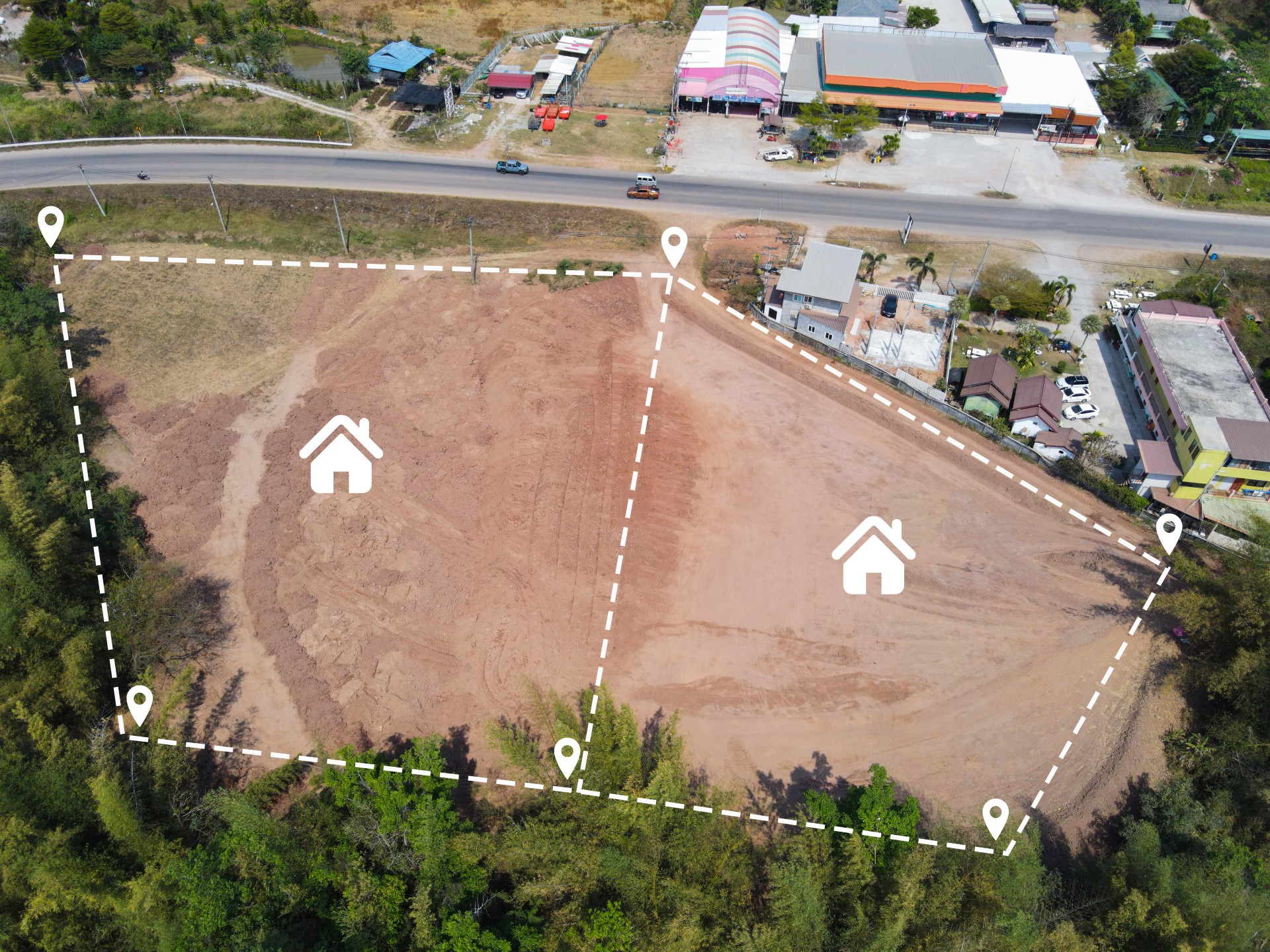
Why Buy Land in Tennessee: A Buyer's Guide
From building a dream home to securing long term investment value, here is what makes Tennessee one of the most compelling states in the country to buy land.
Land means something different to almost every buyer. For some, it is a future homesite tucked into the hills outside Nashville. For others, it is a hunting tract in West Tennessee, a hobby farm near Murfreesboro, or simply an investment set aside for the next generation. Whatever the goal, Tennessee has quietly become one of the most attractive states in the country to own acreage, and the reasons go well beyond scenery.
If you have been considering land ownership, here is a closer look at why so many buyers are looking at Tennessee right now, what land actually costs across the state, and what to know before you make an offer.
Tennessee's Growing Appeal for Land Buyers
Tennessee's appeal starts with simple economics. The state has no personal income tax, which means the income you earn, whether from a salary, a business, or investments, stays in your pocket rather than being taxed at the state level. For landowners building a homestead, running a small farm, or generating rental income from a property, that difference adds up meaningfully over time.
Add to that a genuinely diverse landscape. Tennessee stretches from the fertile bottomland of the Mississippi River in the west, through the rolling farmland and cedar glades of Middle Tennessee, to the ridges and hollows of the Cumberland Plateau and the foothills of the Great Smoky Mountains in the east. Few states offer this much geographic variety within a single day's drive, which means buyers can find land suited to almost any purpose without leaving state lines.
Population growth is the third piece of the puzzle. Tennessee, and Middle Tennessee in particular, continues to attract new residents drawn by job growth, affordability compared to coastal markets, and quality of life. That steady inflow of people supports land values over time, especially in counties within commuting distance of Nashville, Murfreesboro, and other growing metro areas.
Tennessee Land Values at a Glance
|
$5,710 Average per-acre value of Tennessee farm real estate |
10.7% Recent year-over-year increase, among the fastest in the nation |
|
$4,500 to $10,000 Typical per-acre range for forested and recreational tracts |
$0 Tennessee state personal income tax |
Statewide averages based on recent USDA and market data. Actual land values vary significantly by county, acreage, and access.
These statewide averages only tell part of the story. Land pricing in Tennessee varies enormously depending on where you look. Counties near Nashville, including Davidson and Williamson, can command anywhere from the low six figures to several hundred thousand dollars per acre for small, build-ready lots close to the urban core. Move a bit further out, into counties like Wayne, Perry, and Hancock, and per-acre prices drop dramatically, often into the five figure range, especially for larger tracts. As a general rule, the more acreage you buy, the lower your effective price per acre tends to be, since large tracts do not carry the same premium as small, subdivided lots.
Why Buyers Choose Tennessee Land
Land buyers in Tennessee tend to fall into a handful of categories, and the state accommodates all of them well.
- Buyers who want to build a custom home on their own terms, without the constraints of an existing subdivision
- Investors looking for long term appreciation in a state with steady population and job growth
- Hunters and outdoor enthusiasts seeking recreational acreage for deer, turkey, or waterfowl hunting
- Farmers and homesteaders drawn to Tennessee's fertile soil and relatively affordable rural acreage
- Buyers seeking privacy, space, and distance from dense suburban development
What makes Tennessee particularly appealing is that a single buyer's goals can often overlap. A tract purchased primarily as a homesite might also generate hunting lease income or qualify for a reduced tax assessment through the state's agricultural program. That flexibility is part of why so many buyers describe land ownership in Tennessee as a long term decision rather than a short term purchase.
The Greenbelt Advantage
One of the most underused benefits available to Tennessee landowners is the state's Greenbelt program, formally known as the Agricultural, Forest and Open Space Land Act of 1976. This law allows qualifying land to be taxed based on its present use, such as farming or timber production, rather than its full market value. On acreage near fast growing areas like Franklin, Murfreesboro, or Mt. Juliet, where market values have climbed steeply, that distinction can mean a significantly lower annual property tax bill.
To qualify, agricultural and forest land generally must total at least 15 acres, while open space land requires a minimum of 3 acres, and the property must meet specific use requirements set by the county assessor. Property owners who later convert enrolled land to a non-qualifying use may owe rollback taxes covering the prior several years of tax savings, so it is worth understanding the program fully, and consulting a tax professional, before assuming it fits your plans.
The bottom line: for many landowners, Greenbelt eligibility alone can make the difference between a tract that is affordable to hold long term and one that becomes a financial burden as surrounding property values rise.
Estate and Luxury Acreage
For buyers considering larger estate parcels, particularly in Williamson County and the areas surrounding Brentwood, land has become one of the most sought after assets in Middle Tennessee's luxury market. Rolling acreage with mature hardwoods, pond sites, and long private drives command a premium, and demand consistently outpaces the limited supply of large, undeveloped tracts close to Nashville.
Whether the goal is a custom estate home, an equestrian property, or simply space and privacy at a luxury level, working with an agent who understands high-end land transactions and the Coldwell Banker Global Luxury network can make a meaningful difference in finding the right parcel before it reaches the open market.
What to Check Before You Buy
Buying raw land is a different process than buying an existing home, and a few details deserve extra attention before you sign a contract.
- Zoning and land use restrictions, which determine what you are actually allowed to build or operate on the property
- Road frontage and legal access, since a landlocked parcel or one without recorded access can be difficult to finance or develop
- Utilities and infrastructure, including whether power, water, and septic or sewer are available or would need to be installed
- A recent survey and title search, to confirm boundaries and rule out easements or claims that could affect your plans
- Flood zone status and topography, particularly for buyers planning to build a home or structure
None of these should discourage a serious buyer, but each one can materially affect what a property is worth and what it will cost to use. An agent experienced in land transactions can help you evaluate these factors before you are under contract, not after.
Where to Start Looking
Middle Tennessee offers some of the strongest combinations of accessibility and value, particularly in the counties surrounding Brentwood, Murfreesboro, Mt. Juliet, and Gallatin, where commuting distance to Nashville continues to drive demand. Buyers looking for larger, more affordable acreage often look further out toward Shelbyville and Lawrenceburg, where land dollars stretch considerably further while still offering reasonable access to Middle Tennessee's job centers. In West Tennessee, the areas surrounding Jackson offer some of the most affordable entry points in the state, particularly for agricultural and recreational tracts.
Common Questions About Buying Land in Tennessee
Do I need cash to buy land, or can I finance it? Land can be financed, though terms and down payment requirements are often different from a traditional home mortgage. Local banks and farm credit lenders in Tennessee are typically the best starting point for land specific financing.
Is Tennessee land a good long term investment? Recent data shows Tennessee farm real estate values rising faster than the national average, driven in large part by population growth and demand near expanding metro areas. As with any investment, results vary by location, and buyers should evaluate each property on its own merits rather than assuming statewide trends apply equally everywhere.
Do I need an agent to buy land? While it is possible to buy land directly from a seller, an agent familiar with rural transactions can help you evaluate access, zoning, and title issues that are easy to overlook, and can often identify well priced tracts before they are widely marketed.
Finding the Right Piece of Tennessee
Land ownership in Tennessee offers something increasingly rare: genuine variety, room to grow, and a tax environment that rewards holding onto what you build. Whether your goal is a homesite, a hunting retreat, a working farm, or a long term investment, the fundamentals that make Tennessee attractive today are likely to keep drawing buyers for years to come.
Thank you for considering Coldwell Banker Southern Realty as you explore land opportunities across Middle and West Tennessee.
Ready to Find Your Piece of Tennessee?
Connect with your local Coldwell Banker Southern Realty office to start exploring land opportunities near you.
|
Brentwood |
Nashville |
Nashville (Harding Pl) |
|
Murfreesboro |
Mt. Juliet |
Gallatin |
|
Shelbyville |
Lawrenceburg |
Jackson |
Disclaimer: The information provided in this blog post is for general informational purposes only and should not be construed as professional real estate, legal, financial, or tax advice. Market conditions, statistics, and trends discussed are based on data available at the time of publication and are subject to change. Home prices, interest rates, inventory levels, and market conditions vary by location and can fluctuate.
Coldwell Banker Southern Realty and its agents make no representations or warranties about the accuracy, completeness, or suitability of this information. Readers should not rely solely on this content when making real estate decisions. We strongly recommend consulting with qualified professionals, including real estate agents, attorneys, financial advisors, and tax professionals, before making any real estate transaction or investment decision.
©2025 Coldwell Banker Southern Realty. All rights reserved. Coldwell Banker and the Coldwell Banker logos are trademarks of Coldwell Banker Real Estate LLC. Coldwell Banker Southern Realty fully supports the principles of the Fair Housing Act and the Equal Opportunity Act.
Share This Post
Coldwell Banker Southern Realty Locations


All Rights Reserved. Coldwell Banker and the Coldwell Banker logos are trademarks of Coldwell Banker Real Estate LLC. The Coldwell Banker® System is comprised of company owned offices which are owned by a subsidiary of Anywhere Advisors LLC and franchised offices which are independently owned and operated. The Coldwell Banker System fully supports the principles of the Fair Housing Act and the Equal Opportunity Act.
Terms Of Use | Privacy Policy | Accessibility Statement | Fair Housing Notice
© 2026 Coldwell Banker SOUTHERN REALTY
